

The functional medicine industry is evolving quickly. Patient expectations are changing. Search behavior is changing. AI is changing the way people find healthcare information. And clinics that understand these shifts early will have a major advantage over competitors who continue using outdated marketing strategies.
At Functional Medicine Marketing, we’ve worked with more than 100 functional and integrative medicine providers across the country. From solo practitioners to large multi-provider clinics, we spend every day studying how patients search, what questions they ask, and which topics actually lead to consultations.
The trends below are not theories pulled from a generic marketing report. These are boots-on-the-ground observations from real clinics, real SEO campaigns, and real patient behavior in 2026.
1. Patients Want a Real Relationship With a Provider
One of the strongest functional medicine trends we’re seeing in 2026 is surprisingly human: patients want a provider who actually sits down and listens. While telehealth continues to grow and automated onboarding systems can improve efficiency, many people are exhausted from feeling rushed through conventional healthcare systems. They are actively searching for practices where they can build an ongoing relationship with someone who takes their symptoms seriously and helps them connect the dots.
This matters for your SEO strategy.
A clinic may focus heavily on technologies, advanced lab testing, supplements, or regenerative therapies, but many patients are ultimately searching for trust, guidance, and personal connection. They want to know whether the provider will truly listen, whether care will be personalized, and whether they will feel like more than just another appointment slot. Interestingly, patients do not always type those exact concerns into Google or AI search tools. Instead, those desires influence which content actually converts into consultations. Pages that emphasize longer appointment times, personalized treatment plans, root-cause investigation, collaborative care, ongoing follow-up, and direct provider access often outperform pages focused entirely on technical explanations.
In 2026, functional medicine SEO is not just about ranking for symptoms and conditions. It is also about communicating a patient experience that many people feel is missing elsewhere. Clinics that showcase authentic provider relationships tend to generate stronger engagement, more consultation requests, and better long-term patient retention.
2. Peptides Continue Exploding in Search Volume
Peptides remain one of the biggest search growth areas in functional medicine. Just check out this chart from Google Trends.
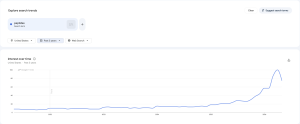
Patients are hearing about peptides from:
- Podcasts
- Fitness influencers
- Biohacking communities
- Longevity experts
- Social media creators
- Professional athletes
- AI-generated health content
As awareness increases, so do search queries.
People are searching for:
- Peptides for recovery
- Peptides for weight loss
- Peptides for muscle growth
- BPC-157
- TB-500
- Peptides for inflammation
- Longevity peptides
- Peptides for joint pain
- Peptides for energy
- Peptides for cognitive performance
The clinics benefiting most from this trend are not making outrageous promises. Instead, they are positioning themselves as trusted educational resources.
That distinction matters.
Regulations surrounding peptides vary significantly depending on the state, the peptide category, and evolving FDA guidance. Clinics should avoid aggressive claims or miracle-style marketing language. Educational positioning is usually the smarter long-term strategy.
Strong peptide SEO content often includes:
- What peptides are
- How peptides work
- Current research areas
- General wellness applications
- Safety considerations
- Provider supervision
- Realistic expectations
- Lifestyle support alongside therapy
Patients are curious, but many are also cautious. They want guidance from providers who understand both the science and the limitations.
For clinics entering the peptide space, it is wise to work closely with legal counsel and ensure all content aligns with current regulations and compliance standards.
But from a marketing standpoint, peptide-related searches are absolutely shaping the functional medicine landscape in 2026.
3. GLP-1s and Medical Weight Loss Are Becoming More Nuanced
The GLP-1 conversation is evolving rapidly.
Initially, the search boom focused heavily on quick weight loss results. But now patients are beginning to ask more sophisticated questions:
- What happens when I stop GLP-1s?
- How do I maintain muscle mass?
- What are the long-term side effects?
- How do I prevent rebound weight gain?
- Can I combine GLP-1s with strength training?
- How do hormones impact weight loss outcomes?
- How do I support metabolism naturally?
This shift is important.
The clinics standing out in 2026 are not simply offering prescriptions. They are positioning themselves as comprehensive metabolic health partners. In other words, they do not want to be prescribed and forgotten.
This creates a major SEO opportunity for functional medicine clinics because the public conversation around GLP-1s is becoming more complex and personalized.
Educational content that performs well now often addresses:
- Pros and cons of GLP-1 medications
- Long-term sustainability
- Lifestyle integration
- Side effect management
- Functional medicine support strategies
- Metabolic root causes
- Personalized weight loss care
The clinics winning this market are the ones helping patients navigate the entire journey, not just the prescription process.
4. Chronic Mystery Symptoms Continue Driving Functional Medicine Growth
One of the biggest reasons functional medicine continues growing is simple: many patients still feel unheard. Across the country, clinics report increasing numbers of patients arriving with stories like, “I’ve had 12 appointments and still no answers,” “My labs are supposedly normal,” or “Nobody can explain why I feel terrible.” Others describe constant exhaustion, strange inflammatory symptoms, or the overwhelming feeling that something is wrong despite being told everything looks fine on paper. These patients are actively searching online for explanations because they are tired of feeling dismissed or stuck in cycles of symptom management without meaningful progress.
Interestingly, many of these patients do not initially search by condition name because they do not yet know what condition they may have. Instead, they search by symptom:
- Brain fog
- Fatigue
- Joint pain
- Burning sensations
- Dizziness
- Chronic inflammation
- Histamine reactions
- Digestive problems
- Anxiety with physical symptoms
- Unexplained pain
- Skin rashes
- Hormonal dysfunction
As patients dig deeper, they often begin discovering possible root causes such as autoimmune conditions, Lupus, Sjögren syndrome, Lyme-related illness, mold exposure, Chronic Inflammatory Response Syndrome, thyroid dysfunction, gut dysfunction, mitochondrial dysfunction, and hormone imbalances. This is exactly why symptom-based SEO remains incredibly important in functional medicine marketing.
Many clinics still make the mistake of creating only broad service pages. Don’t misunderstand. You should create these pages. But there’s more to do.
But in 2026, highly specific educational content often performs far better because it reflects how real patients actually search online. A patient may never type “functional medicine clinic near me” into Google. Instead, they search nuanced questions like, “Why do I feel exhausted after eating?” “Can mold exposure cause anxiety?” “Why are my hands burning at night?” or “Why am I tired despite normal bloodwork?” This is where detailed educational content becomes powerful. Clinics that consistently answer highly specific symptom questions position themselves as trusted authorities long before a patient ever schedules a consultation.
5. Integrative Oncology Is Becoming a Major Pillar of Modern Healthcare
Another major trend we continue seeing across the country is increased demand for integrative oncology services. Many clinics we work with report integrative oncology becoming one of their fastest-growing service categories as more patients seek supportive strategies alongside conventional cancer care. Patients and families are actively searching for nutritional support during treatment, immune system support, side effect management, mitochondrial health, fatigue support, recovery optimization, and lifestyle strategies that help improve quality of life during difficult treatment journeys.

Monthly searches in the US for the specific search “integrative oncology.”
Importantly, most patients are not searching to replace conventional oncology care. Instead, they are looking for complementary support that helps them feel more empowered, informed, and cared for throughout treatment and recovery. Because of this, integrative oncology content must be approached carefully and ethically. The strongest-performing clinics avoid miracle claims and instead emphasize collaboration, education, wellness support, compassion, and clinical sophistication.
Patients researching cancer-related topics spend significant time evaluating trust signals before reaching out. They want to know whether a clinic is credible, whether the provider is experienced, whether communication feels responsible and honest, and whether they will be treated like a human being during one of the most stressful periods of their lives. The emotional weight behind these searches makes thoughtful, trustworthy content especially important in 2026.
The AEO Revolution Is Changing Search Forever
Perhaps the biggest long-term shift happening in 2026 is not just what people search, but how they search. Search is becoming increasingly conversational. Even when patients are using Google instead of AI tools directly, they are now encountering AI Overviews, conversational search summaries, suggested follow-up questions, voice-style searches, and contextual answer engines that guide them deeper into a topic. This shift is dramatically changing SEO strategy for functional medicine clinics.
Traditional SEO focused heavily on broad keywords like “functional medicine,” “hormone therapy,” “IV therapy,” or “weight loss clinic.” Those terms still matter, but modern AEO (Answer Engine Optimization) increasingly rewards content that answers highly specific patient questions in a natural, conversational way.
For example:
- “Why does my heart race after eating sugar?”
- “Can perimenopause make anxiety worse at night?”
- “Why do I wake up exhausted after 8 hours of sleep?”
- “Can mold illness cause food sensitivities?”
- “Why do I feel worse after exercising?”
These conversational SEO targets are becoming the norm.
The clinics adapting fastest to this shift are creating content that mirrors real patient conversations instead of relying entirely on generic service-page SEO. This does not mean abandoning traditional SEO principles. It means expanding them. Strong functional medicine content in 2026 uses natural language, answers very specific questions, anticipates follow-up concerns, explains complex symptom patterns clearly, and demonstrates genuine provider expertise while maintaining medical accuracy. Educational depth matters more than ever because AI-driven search systems reward content that thoroughly addresses patient intent rather than simply repeating keywords.
At Functional Medicine Marketing, our team constantly monitors both SEO and AEO developments because search behavior is evolving rapidly. Clinics that stay ahead of these changes will continue building stronger online visibility while competitors relying on outdated SEO strategies struggle to keep pace.
Position Your Clinic for the Future
Functional medicine is entering a new phase of growth. Patients are increasingly searching for personalized care, real provider relationships, chronic illness answers, metabolic guidance, integrative cancer support, peptide education, and sustainable wellness strategies. More importantly, they are searching through conversational AI systems that reward highly specific, trustworthy educational content.
The opportunity for functional medicine clinics is enormous, but strategic positioning matters more than ever. At Functional Medicine Marketing, we help clinics build SEO and AEO systems designed specifically for the modern functional medicine landscape. Our content strategies align directly with real patient questions, helping practices attract highly motivated patients actively searching for solutions and long-term care relationships.
Have questions about your clinic’s positioning? Schedule a consultation with Andrew Newland and our team. We’ll help you strategically position your clinic in an increasingly competitive healthcare market while building content that overlaps directly with patient concerns, symptoms, and modern search behavior. The future of healthcare search is already here. Let’s make sure your clinic is ready for it.